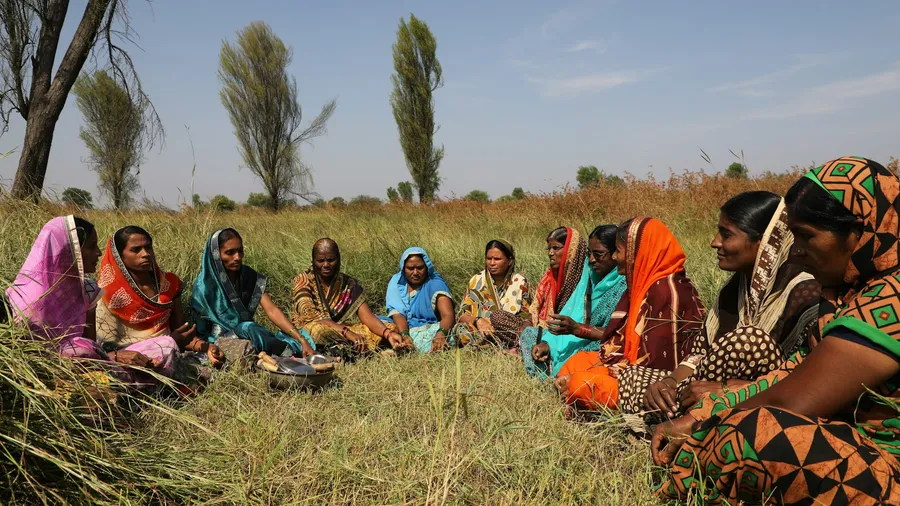
Understanding Crimes Against Women, Criminal Proceedings and Legal Rights Under Indian Law
Crimes against women are addressed through various provisions of Indian criminal law intended to protect women from sexual violence, physical harm, harassment, cruelty, stalking, trafficking and other unlawful conduct. These matters can involve sensitive allegations, police investigations, medical and electronic evidence, and proceedings before competent criminal courts.
Understanding the applicable legal provisions, reporting procedures and procedural safeguards is important for both women seeking legal remedies and individuals accused of offences.
Hamendra Singh Advocate is a legal practitioner based in Saket, New Delhi, with four years of professional experience. His practice includes criminal law matters relating to crimes against women, representing both complainants and accused persons, depending on the circumstances of the case. His stated court practice includes Saket Courts and the Delhi High Court.
This page provides general information about offences against women under Indian law, relevant criminal procedures, legal rights and considerations arising during investigation and trial.
What Are Crimes Against Women Under Indian Law?
Crimes against women include a range of offences addressed under the Bharatiya Nyaya Sanhita, 2023 (BNS) and other applicable legislation.
These offences may involve sexual assault, cruelty by a husband or his relatives, stalking, sexual harassment, voyeurism, dowry-related violence, trafficking and other forms of unlawful conduct.
Chapter V of the BNS contains provisions concerning offences against women and children. Other provisions of the BNS and special statutes may also apply, depending on the alleged conduct.
Important legislation includes:
- Bharatiya Nyaya Sanhita, 2023 (BNS): Defines various criminal offences and their punishments.
- Bharatiya Nagarik Suraksha Sanhita, 2023 (BNSS): Governs criminal investigation, arrest, bail, trial and other procedures.
- Bharatiya Sakshya Adhiniyam, 2023 (BSA): Governs rules concerning evidence in judicial proceedings.
- Protection of Women from Domestic Violence Act, 2005: Provides civil and protective remedies for women experiencing domestic violence in qualifying domestic relationships.
- Dowry Prohibition Act, 1961: Addresses the giving, taking and demanding of dowry.
- Sexual Harassment of Women at Workplace (Prevention, Prohibition and Redressal) Act, 2013: Establishes a framework for preventing and addressing sexual harassment at workplaces.
The applicable law depends on the nature of the allegations, the date of the incident and the facts of the case.
Types of Criminal Matters Involving Crimes Against Women
Criminal allegations involving women may arise in different circumstances.
1. Rape and Sexual Assault Cases
Rape and related sexual offences are addressed under Sections 63 to 71 of the BNS, with different provisions applying to particular circumstances and categories of offences.
Such cases may involve questions concerning consent, statutory definitions, medical evidence, witness statements, electronic records and other relevant evidence.
The legal framework also provides procedural safeguards concerning the identity, dignity and privacy of victims.
2. Sexual Harassment Cases
Section 75 of the BNS addresses specified forms of sexual harassment, including certain unwelcome physical conduct, demands or requests for sexual favours, showing pornography against a woman’s will, and sexually coloured remarks.
The applicable punishment depends on the particular conduct alleged.
Workplace sexual harassment may additionally involve procedures under the POSH Act, 2013.
3. Domestic Violence and Cruelty
Domestic violence may involve physical, sexual, verbal, emotional or economic abuse within a qualifying domestic relationship.
The Protection of Women from Domestic Violence Act, 2005 provides remedies such as protection orders, residence orders, monetary relief and other appropriate relief.
Cruelty by a husband or his relatives may also constitute a criminal offence under Sections 85 and 86 of the BNS where the statutory requirements are satisfied.
Domestic violence proceedings and criminal cruelty proceedings are legally distinct and may involve different remedies.
4. Dowry Harassment and Dowry Death
Dowry-related allegations may involve unlawful demands, harassment, cruelty or circumstances surrounding a woman’s death.
Relevant provisions include:
- Section 80 BNS: Dowry death.
- Sections 85 and 86 BNS: Cruelty by a husband or his relatives.
- Dowry Prohibition Act, 1961: Prohibition of dowry-related conduct.
The legal consequences depend on the alleged acts and the statutory elements of each offence.
5. Stalking and Cyberstalking
Section 78 of the BNS addresses stalking, including specified repeated conduct and monitoring of a woman’s electronic communications under circumstances covered by the law.
Cyberstalking allegations may involve social media platforms, messaging applications, online accounts and other electronic communications.
Depending on the facts, provisions of the Information Technology Act, 2000 or other criminal laws may also be relevant.
6. Voyeurism and Privacy-Related Offences
Section 77 of the BNS addresses voyeurism involving specified acts of watching, capturing or disseminating images of a woman engaged in a private act.
The legal assessment may involve consent, expectations of privacy, the circumstances of recording and any subsequent dissemination of images.
Relevant electronic evidence must be examined in accordance with applicable evidentiary requirements.
7. Assault or Criminal Force Against Women
Sections 74 and 76 of the BNS address particular forms of assault or criminal force against women, including conduct involving an intention to outrage modesty or disrobe a woman.
These provisions have distinct legal ingredients and punishments.
The precise allegations and evidence determine which provision, if any, applies.
8. Insulting the Modesty of a Woman
Section 79 of the BNS addresses specified words, gestures, sounds, objects or acts intended to insult the modesty of a woman or intrude upon her privacy.
The statutory requirements must be considered in the context of the alleged conduct.
9. Human Trafficking and Exploitation
Human trafficking allegations may involve recruitment, transportation, harbouring, transfer or receipt of persons through prohibited means for exploitation.
Section 143 of the BNS addresses trafficking of persons, while other provisions may apply to sexual exploitation and related offences.
Trafficking cases may require examination of victim protection measures, documentary evidence, witness testimony and cross-jurisdictional investigation.
Punishments for Crimes Against Women Under Indian Law
Punishments vary significantly according to the offence, its severity and any applicable aggravating circumstances.
| Offence | Relevant Provision | General Punishment |
|---|---|---|
| Rape | BNS Section 64 | Rigorous imprisonment of at least 10 years, potentially extending to life imprisonment, and fine |
| Sexual harassment | BNS Section 75 | Up to 3 years for specified acts; up to 1 year for sexually coloured remarks, with fine provisions |
| Cruelty by husband or relatives | BNS Section 85 | Imprisonment up to 3 years and fine |
| Stalking, first conviction | BNS Section 78 | Imprisonment up to 3 years and fine |
| Voyeurism, first conviction | BNS Section 77 | Imprisonment from 1 to 3 years and fine |
| Dowry death | BNS Section 80 | Imprisonment of at least 7 years, potentially extending to life imprisonment |
| Assault to outrage modesty | BNS Section 74 | Imprisonment from 1 to 5 years and fine |
These are general statutory ranges for the specified provisions. Other subsections, repeat convictions, aggravated offences and special legislation may prescribe different punishments.
The applicable punishment must be assessed with reference to the precise charges and governing law.
What Happens After a Complaint About a Crime Against a Woman Is Filed?
A complaint may lead to registration of an FIR, police investigation, collection of evidence and criminal proceedings before the competent court.
The general process may involve the following stages:
- Step 1: Reporting the Alleged Offence — A woman or another person with relevant information may report an alleged offence to the police. Under the BNSS, information relating to a cognizable offence may be provided irrespective of the territorial area in which the offence occurred, subject to applicable procedural requirements. For specified sexual offences, special procedures apply to recording information from women complainants.
- Step 2: Registration of FIR — Where the information discloses a cognizable offence, the police must act in accordance with Section 173 of the BNSS and other applicable legal requirements. The procedure may differ depending on the nature of the offence and whether a legally permitted preliminary enquiry applies.
- Step 3: Police Investigation — Investigating officers may collect relevant evidence, including statements of the complainant and witnesses, medical and forensic evidence where applicable, CCTV recordings, electronic communications and digital records, and documents or other material connected with the allegations. Special procedures may apply to particular sexual offences and vulnerable witnesses.
- Step 4: Arrest or Notice, Where Applicable — An FIR does not automatically require the arrest of an accused person. Police must comply with the statutory requirements governing arrest, notice and procedural safeguards.
- Step 5: Investigation Report — Following investigation, the police may submit a report before the competent court under the applicable BNSS provisions. The report may address the evidence collected and whether prosecution is proposed.
- Step 6: Court Proceedings — Depending on the offence and procedural stage, court proceedings may include consideration of charges, witness examination, evidentiary issues, arguments and judgment. Certain sexual offence proceedings are subject to additional confidentiality and in-camera hearing requirements.
Legal Rights of Women Who Report Criminal Offences
Women reporting criminal offences may have important procedural and protective rights under Indian law. Depending on the circumstances, these may include:
- The right to report a cognizable offence and receive a copy of the FIR as provided by law.
- Special procedures for recording statements in specified sexual offence cases.
- Access to applicable medical examination and treatment procedures.
- Protection of identity in offences where disclosure is legally restricted.
- The right to seek applicable protection and other legal remedies.
- Access to legal aid and victim compensation mechanisms where eligibility requirements are met.
- The right to participate in relevant proceedings to the extent provided by law.
Where a woman faces an immediate threat to her safety, the appropriate response may involve emergency police assistance and protective measures rather than waiting for ordinary court proceedings.
Legal Rights of Persons Accused of Crimes Against Women
Individuals accused of criminal offences are entitled to constitutional and statutory safeguards. These include:
- Right to legal representation: An accused person may consult and be defended by a legal practitioner of choice.
- Protection against unlawful arrest: Arrest and detention must comply with applicable legal requirements.
- Right to know the grounds of arrest: An arrested person must be informed of the grounds of arrest in accordance with law.
- Right to applicable bail procedures: The availability of bail depends on the offence and relevant legal provisions.
- Presumption of innocence: Criminal liability must be established through the applicable legal process.
- Right to a fair trial: The accused may challenge prosecution evidence and exercise available procedural rights.
The existence of an allegation does not itself establish guilt. Equally, allegations should not be dismissed merely because they are disputed.
Criminal proceedings require careful assessment of the available evidence, applicable law and procedural safeguards.
Bail and Anticipatory Bail in Crimes Against Women Cases
The availability of regular bail or anticipatory bail depends on the specific offence, its classification, statutory restrictions and circumstances of the case.
Certain offences against women are non-bailable and may involve stringent statutory provisions. Courts may consider factors such as:
- The nature and seriousness of the allegations.
- The statutory punishment.
- The available evidence.
- The possibility of influencing witnesses.
- The risk of absconding.
- The requirements of a fair investigation.
- Applicable restrictions under special laws.
Anticipatory bail is not available in every category of offence. Section 482 of the BNSS contains statutory exclusions for specified accusations under Section 65 and Section 70(2) of the BNS.
No bail outcome can be presumed without examining the relevant law and facts.
Role of Evidence in Crimes Against Women Cases
Evidence may play an important role in the investigation and adjudication of offences against women. Depending on the case, relevant material may include:
- Medical and forensic evidence: Medical records, examination reports and forensic findings, where relevant and lawfully obtained.
- Witness testimony: Statements and testimony of the complainant, accused and other witnesses.
- Electronic evidence: Messages, emails, call records, CCTV recordings, social media communications and other digital material.
- Documentary evidence: Relevant records, complaints, employment documents, financial records or other material.
- Circumstantial evidence: Facts and circumstances from which legally relevant inferences may be considered.
Evidence must be evaluated according to the applicable law. No single category of evidence is automatically necessary or decisive in every case.
Crimes Against Women Cases in Saket Courts and Delhi High Court
Hamendra Singh Advocate is based in Saket, New Delhi. His stated court practice includes Saket Courts and the Delhi High Court.
Criminal matters concerning offences against women may be heard by Magistrates, Sessions Courts or designated courts, depending on the offence and jurisdiction.
Saket Courts may exercise jurisdiction over matters falling within the relevant territorial and subject-matter jurisdiction.
The Delhi High Court may exercise appellate, revisional, bail, writ or other jurisdiction where legally applicable.
The appropriate court depends on the offence, location of the alleged incident, stage of proceedings and relief sought.
Frequently Asked Questions About Crimes Against Women
1. What are the main laws protecting women against criminal offences in India?
Important laws include the Bharatiya Nyaya Sanhita, 2023, the Protection of Women from Domestic Violence Act, 2005, the Dowry Prohibition Act, 1961, and other applicable special legislation. The BNSS and BSA govern relevant criminal procedures and evidence.
2. Can a woman file an FIR at a police station outside the area where the incident occurred?
Information about a cognizable offence may be provided to a police station irrespective of territorial jurisdiction under Section 173 of the BNSS. The subsequent investigation and transfer of information must follow applicable procedures.
3. Is domestic violence always a criminal offence?
Not every allegation of domestic violence automatically constitutes a separate criminal offence. The Domestic Violence Act provides protective and civil remedies, while conduct satisfying the elements of an offence under the BNS or another statute may also result in criminal proceedings.
4. Can an accused person obtain anticipatory bail in a case involving crimes against women?
Anticipatory bail may be available for certain non-bailable offences, subject to statutory restrictions and judicial assessment. It is expressly excluded for specified accusations under Sections 65 and 70(2) of the BNS.
5. What is the punishment for sexual harassment under the BNS?
Section 75 of the BNS prescribes different punishments depending on the conduct. Certain acts may attract imprisonment up to three years, while sexually coloured remarks may attract imprisonment up to one year, with applicable fine provisions.
6. Can WhatsApp messages or social media records be used as evidence?
Electronic communications may be relevant evidence in criminal proceedings. Their admissibility and evidentiary value depend on authenticity, the BSA and other applicable legal requirements.
7. Can a complaint involving crimes against women be withdrawn after a settlement?
A settlement does not automatically terminate criminal proceedings. The legal effect depends on the specific offence, whether it is compoundable, applicable statutory restrictions and any competent court order.
8. Are the identities of sexual offence victims protected under Indian law?
Indian law restricts disclosure of the identity of victims of specified sexual offences. Section 72 of the BNS and other applicable provisions impose relevant protections and restrictions.
9. What happens if a person is accused of a crime against a woman?
The procedure depends on the alleged offence and the stage of the matter. It may involve police investigation, notice or arrest, bail proceedings, submission of an investigation report and trial before the competent court.
10. Can a woman seek protection from domestic violence without filing a criminal FIR?
Yes. Where the statutory requirements are satisfied, remedies under the Protection of Women from Domestic Violence Act, 2005 may be sought through the prescribed legal process. A criminal FIR is not a universal prerequisite for such relief.
About Hamendra Singh Advocate
Hamendra Singh Advocate is a legal practitioner based in Saket, New Delhi, with four years of professional experience.
His principal area of practice is criminal law, including matters involving crimes against women, sexual offences, domestic cruelty, stalking, harassment and related criminal allegations.
His practice includes representation concerning both complainants and accused persons, depending on the nature of the matter and applicable professional obligations.
His stated court practice includes Saket Courts and the Delhi High Court, subject to applicable jurisdiction and procedural requirements.
- Office Location: Saket, New Delhi
- Practice Area: Criminal Law — Crimes Against Women
- Court Practice: Saket Courts and Delhi High Court
- Professional Experience: 4 Years
Disclaimer: This page is intended solely for general legal information and awareness. It does not constitute legal advice, establish an advocate-client relationship, solicit legal work or guarantee any legal outcome. The applicability of legal provisions depends on the facts, date of the alleged incident and governing law. Confidentiality and statutory restrictions concerning the identity of victims must be respected.